
QSEC members Dr. Karen Sauer’s team have recently received a grant from NSF to continue the experimental and theoretical studies of iron pnictides through zero field nuclear magnetic resonance.
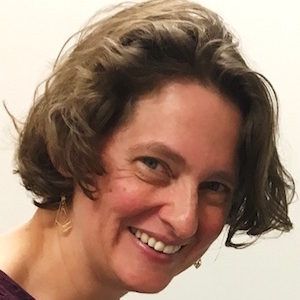
QSEC members Dr. Karen Sauer’s team have recently received a grant from NSF to continue the experimental and theoretical studies of iron pnictides through zero field nuclear magnetic resonance.
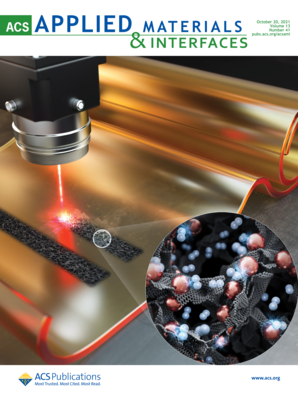
Undergraduate and high school students worked as Research Assistants in the project Photothermochemical Nanoassembly of 3D Porous Graphene and Palladium Nanoparticles for High-Performance Hydrogen Detection. This project has been made by Minsu Kim, Seung Min Lee, Jun Woo Jeon, Shirin Movaghgharnezhad, Heeyoung Jeong, Farbod Moghaddam, Daniel Mitchell, Pilgyu Kang, Byoung Gak Kim. The journal cover has been published in ACS Applied Materials & Interfaces.
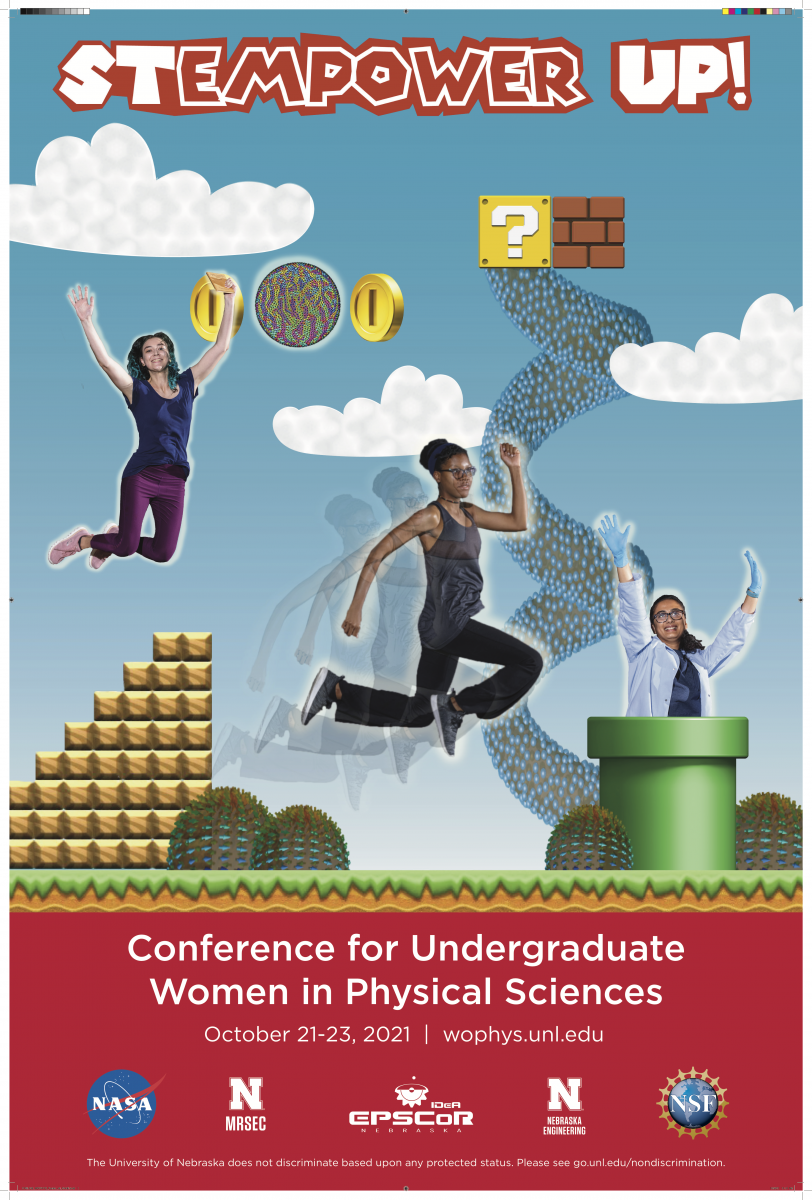
QSEC undergraduate student Swan Klein will give an invited presentation on “Two-Qubit Quantum Circuit Synthesis” in the WoPhyS 2021 on Thursday, October 21., The presented research is a part of NSF funded project on quantum algorithms co-advised by QSEC members Dr. Mingzhen Tian and Dr. Michael Jarret. Dr. Maria Emelianenko, the Chair of the Department of Mathematical Sciences and the Associate Director of the QSEC, will also give a keynote address at the conference on her research in materials and quantum circuits.
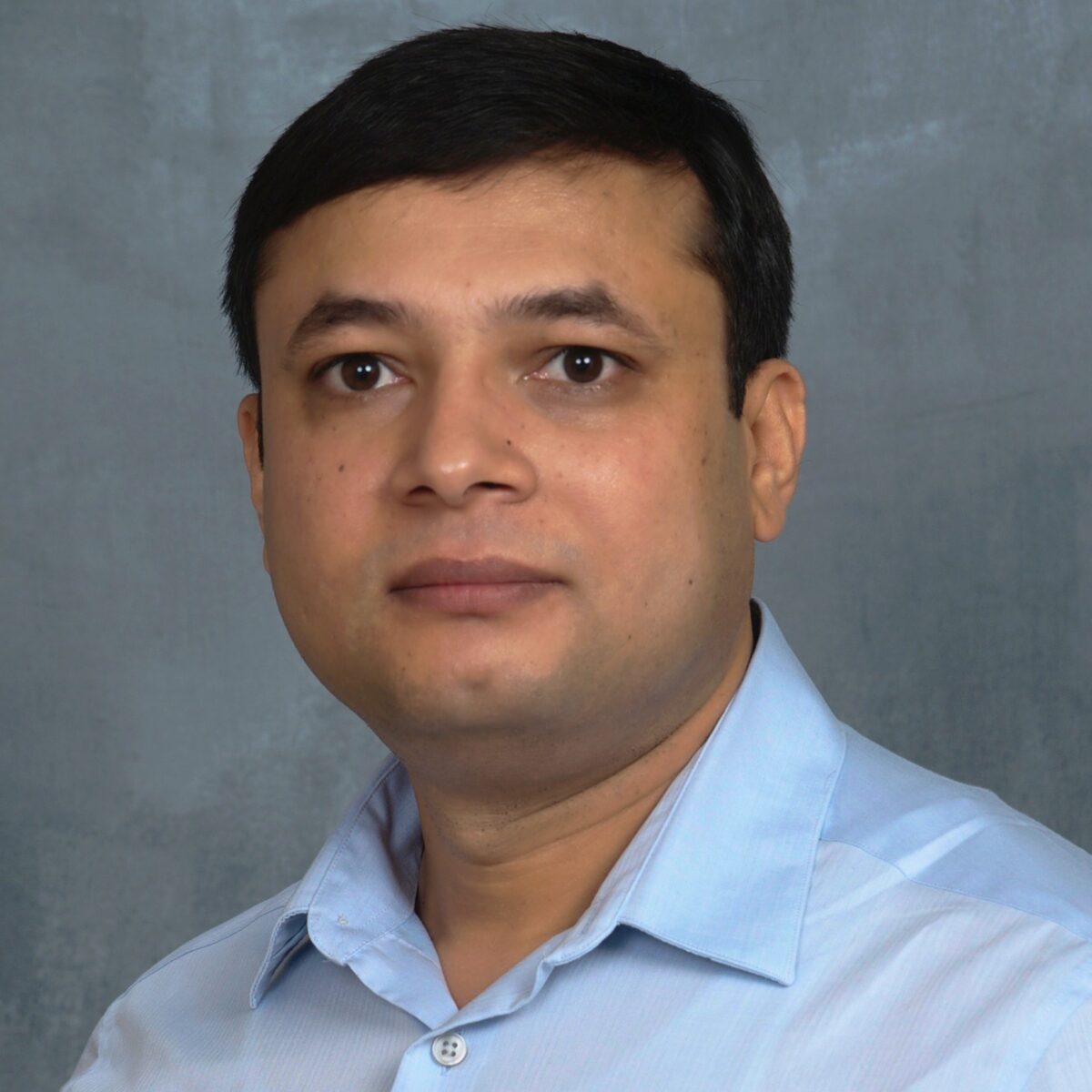
QSEC member, Professor Nirmal Ghimire of GMU leads a group of materials science experts from Mason, NIST, ANL, and ORNL to discover a quantum phenomenon that has the potential to become a building block of future electronic technology emerges at high temperatures from a mechanism not before realized, the result of which is published on Science Advances, doi:10.1126/sciadv.abe2680.
Topic: Tunneling into emergent topological matter
Location: Zoom
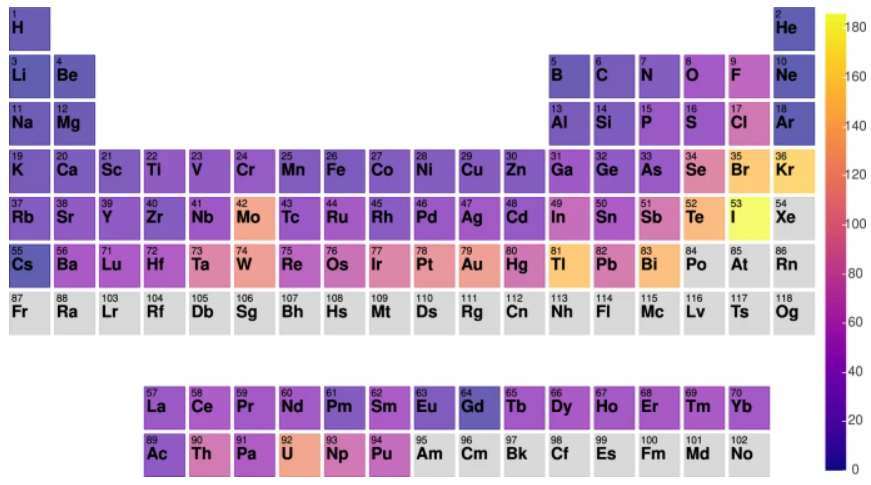
QSEC members Dr. Igor Mazin, Dr. Karen Sauer and student Jaafar Ansari have recently published their collaborative work of DFT-based EFG calculation, Density functional theory-based electric field gradient database, doi:10.1038/s41597-020-00707-8, on Scientific Data.
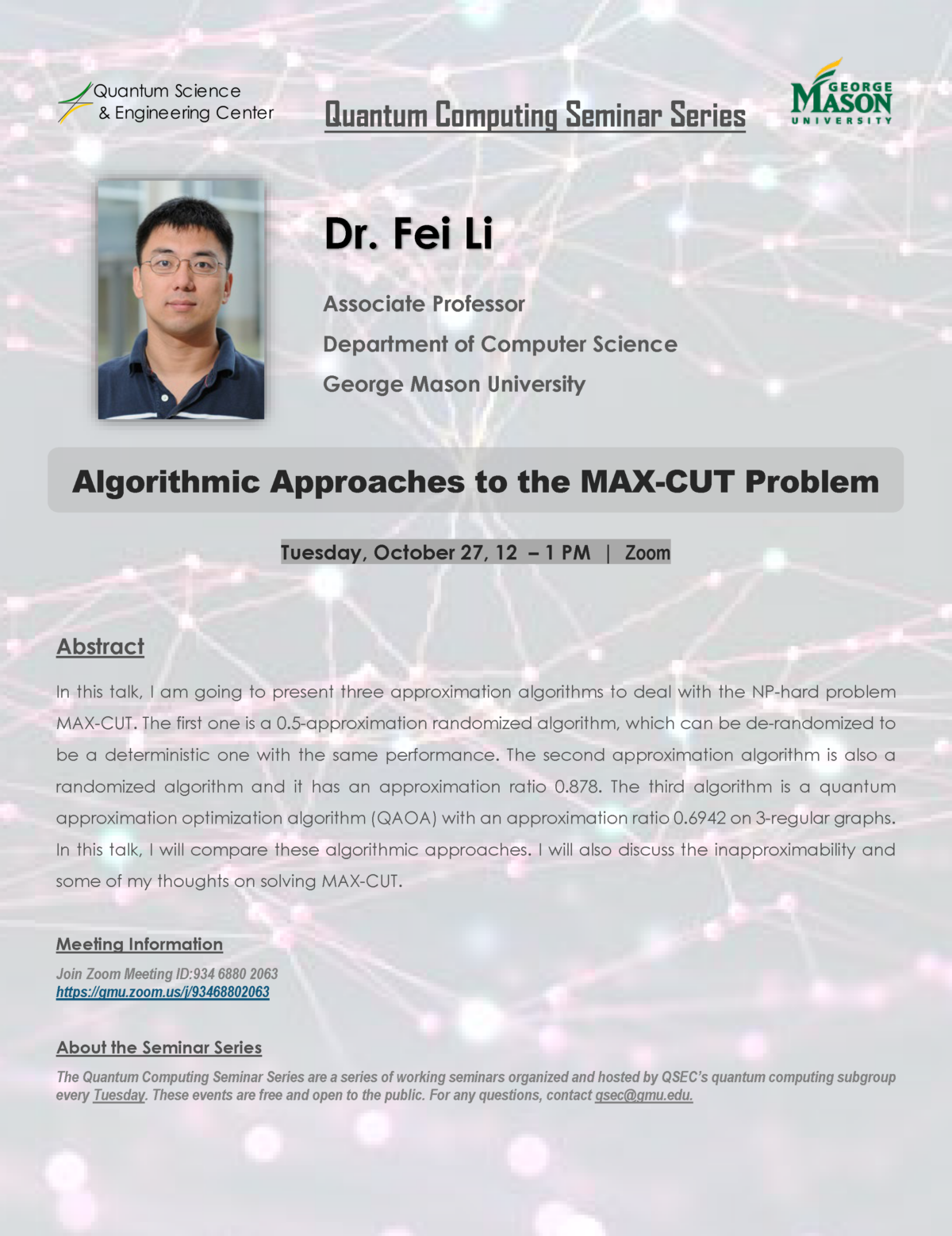
Topic: Algorithmic Approaches to the MAX-CUT Problem
Location: Zoom
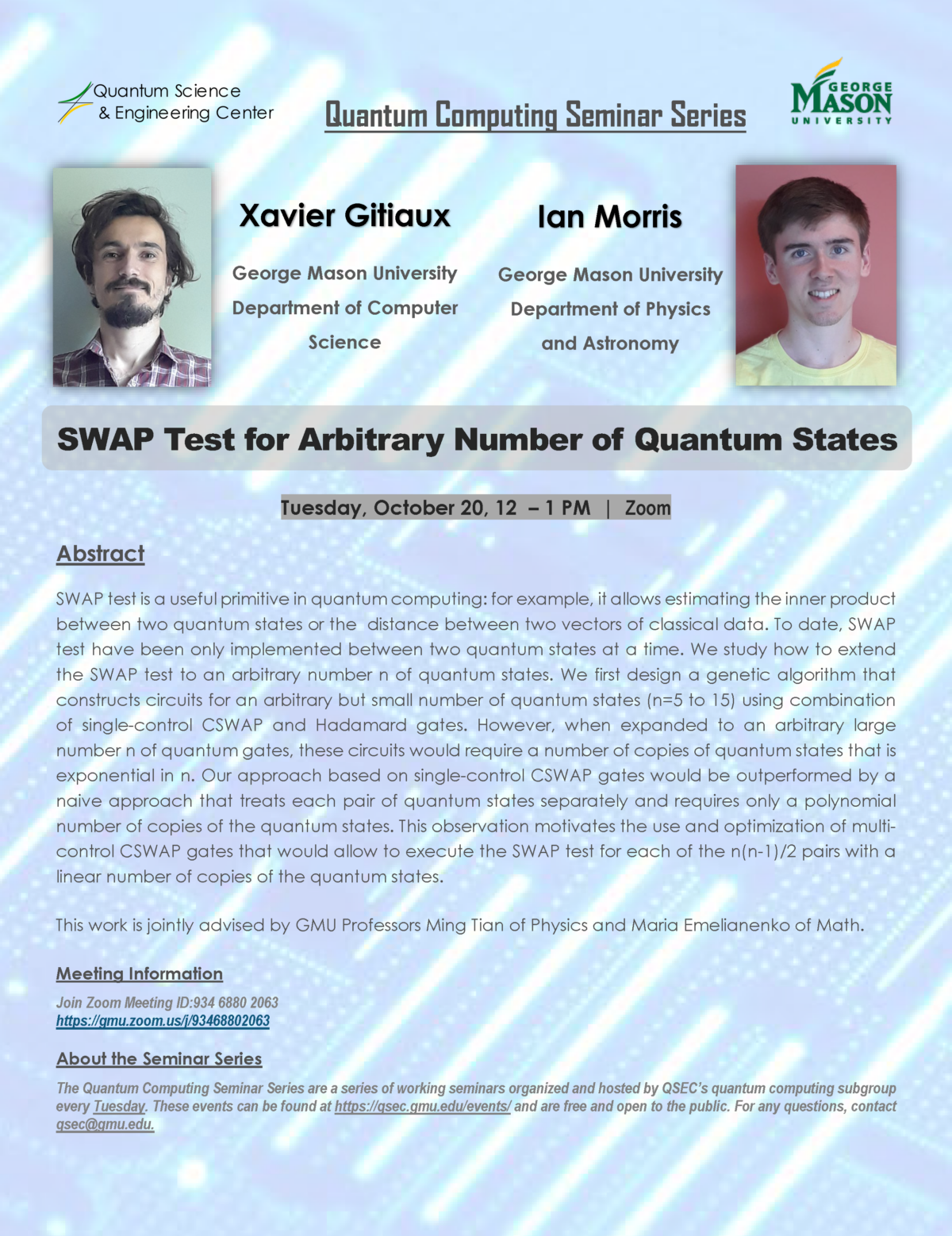
Topic: SWAP Test for Arbitrary Number of Quantum States
Location: Zoom

Prof. Patrick Vora, Director of the QSEC, was recently invited by the Science Off Camera Podcast for an interview on quantum materials, their development and methods of characterization, and the role of QSEC in this research area. The podcast is available here.
The Science Off Camera Podcast is sponsored by Teledyne Princeton Instruments and Teledyne Photometrics and hosted by Dr. Matthew Kose-Dunn and Sebastian Remi, to discuss with scientists and industry leaders in scientific imaging and spectroscopy.
For more information, please explore our website to learn more about our efforts in quantum research and education.
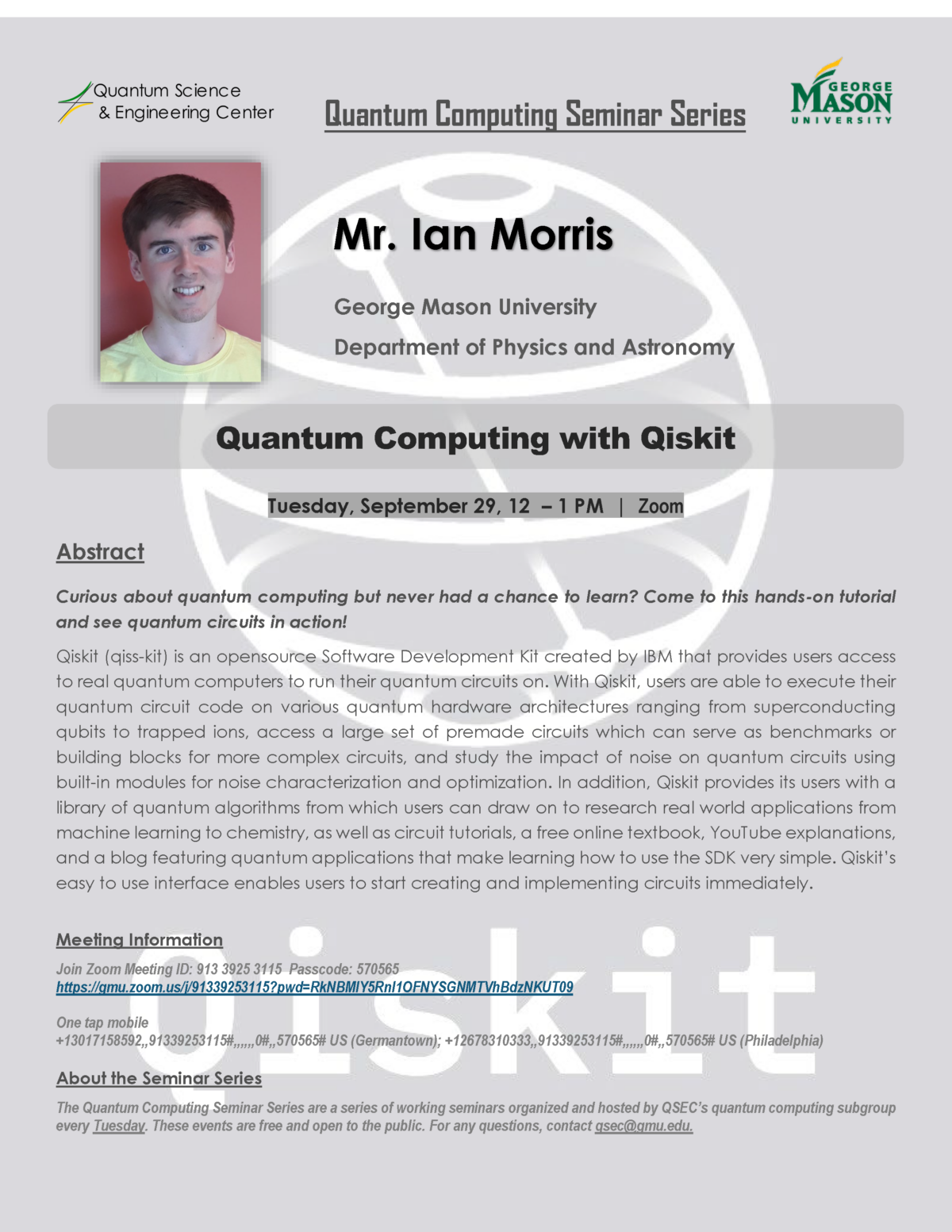
Topic: Quantum Computing with Qiskit
Location: Zoom